
Expert Deck Removal and Site Preparation in Newcastle
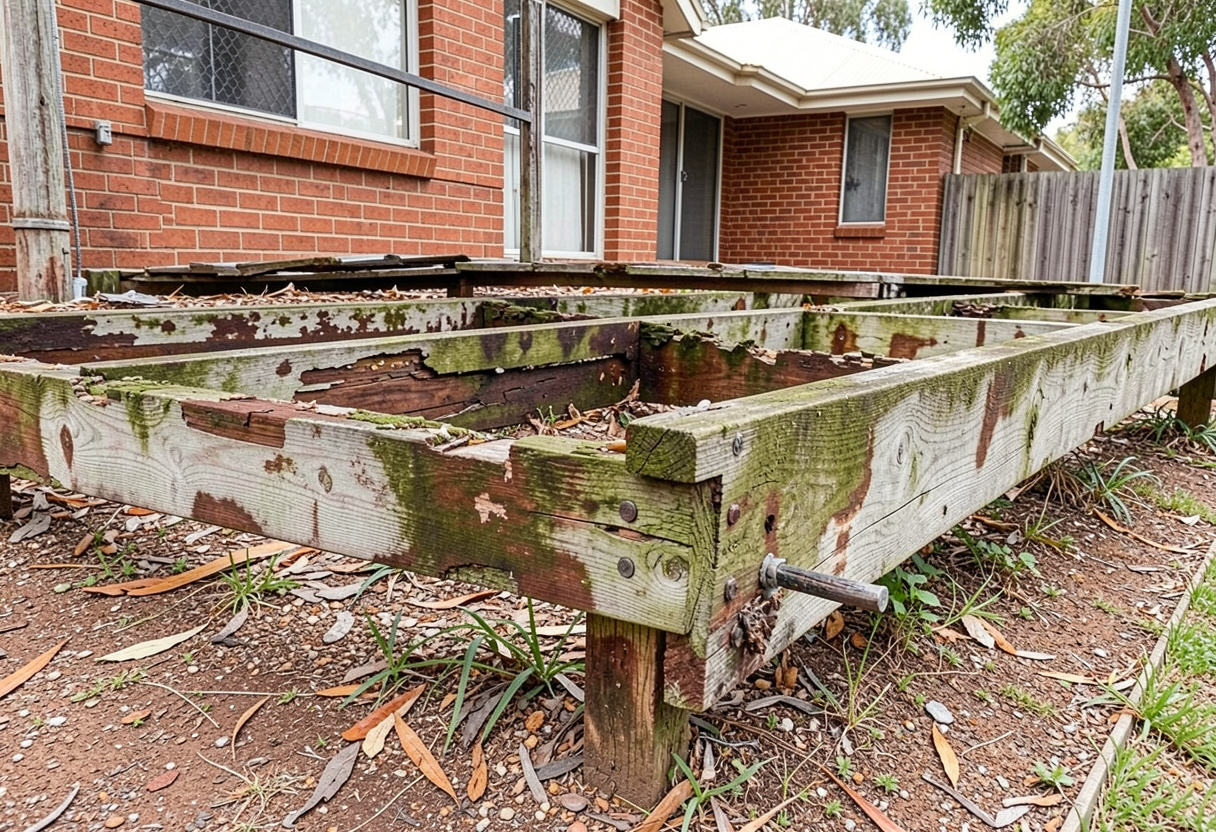
Deck demolition and removal in Newcastle is one of those jobs that looks straightforward until you’re standing on a 25-year-old structure wondering what’s underneath the boards. Whether your existing deck has deteriorated beyond the point of repair, you’re making way for a new build, or you’re clearing the yard for a pool or landscaping project, the removal process needs to be handled by people who know what they’re doing — not just a skip bin and a crowbar.
We’re Newcastle’s deck demolition and removal specialists, working across the Hunter Region from Merewether to Maitland, Fletcher to the waterfront. We manage the full removal process in a single engagement — site assessment, safe deconstruction, hazardous material identification, waste disposal, and site preparation — so you’re not left coordinating three different contractors before the real work can start.

Why Newcastle Homeowners Are Removing Their Decks
Old decks don’t always go quietly. There’s usually a reason — sometimes obvious, sometimes only visible once someone gets underneath with a torch. These are the most common scenarios we see across Newcastle and the Hunter Region.
Asbestos and Hazardous Materials in Older Newcastle Decks
This section matters more than most homeowners realise — and it’s where cutting corners has serious consequences.
Newcastle has a substantial housing stock built before 1990, and many of those properties have outdoor structures that were built or modified during that period. Asbestos-containing materials were widely used in Australian construction right up until the late 1980s, and they don’t always look like what people expect. In deck-adjacent structures, the most common locations are deck skirting panels, soffit linings underneath elevated decks, the walls of underdeck storage areas, and associated laundry or garden shed structures that were built at the same time as the deck.
The material isn’t always friable — crumbly, airborne asbestos — but bonded asbestos sheeting is still a regulated material in NSW and needs to be handled correctly.
What the law requires in NSW:
Removal of more than 10 square metres of bonded asbestos requires a licensed asbestos removalist
Friable asbestos removal requires a Class A licensed removalist regardless of quantity
WorkSafe NSW requires proper identification, notification, and disposal documentation for all regulated asbestos removal
How We Remove a Deck — The Process From Start to Finish
Professional deck removal isn’t just pulling boards up and throwing them in a skip. There’s a sequence to it that protects the site, the surrounding structures, and the people doing the work.
Timber Disposal and Recycling After Deck Removal
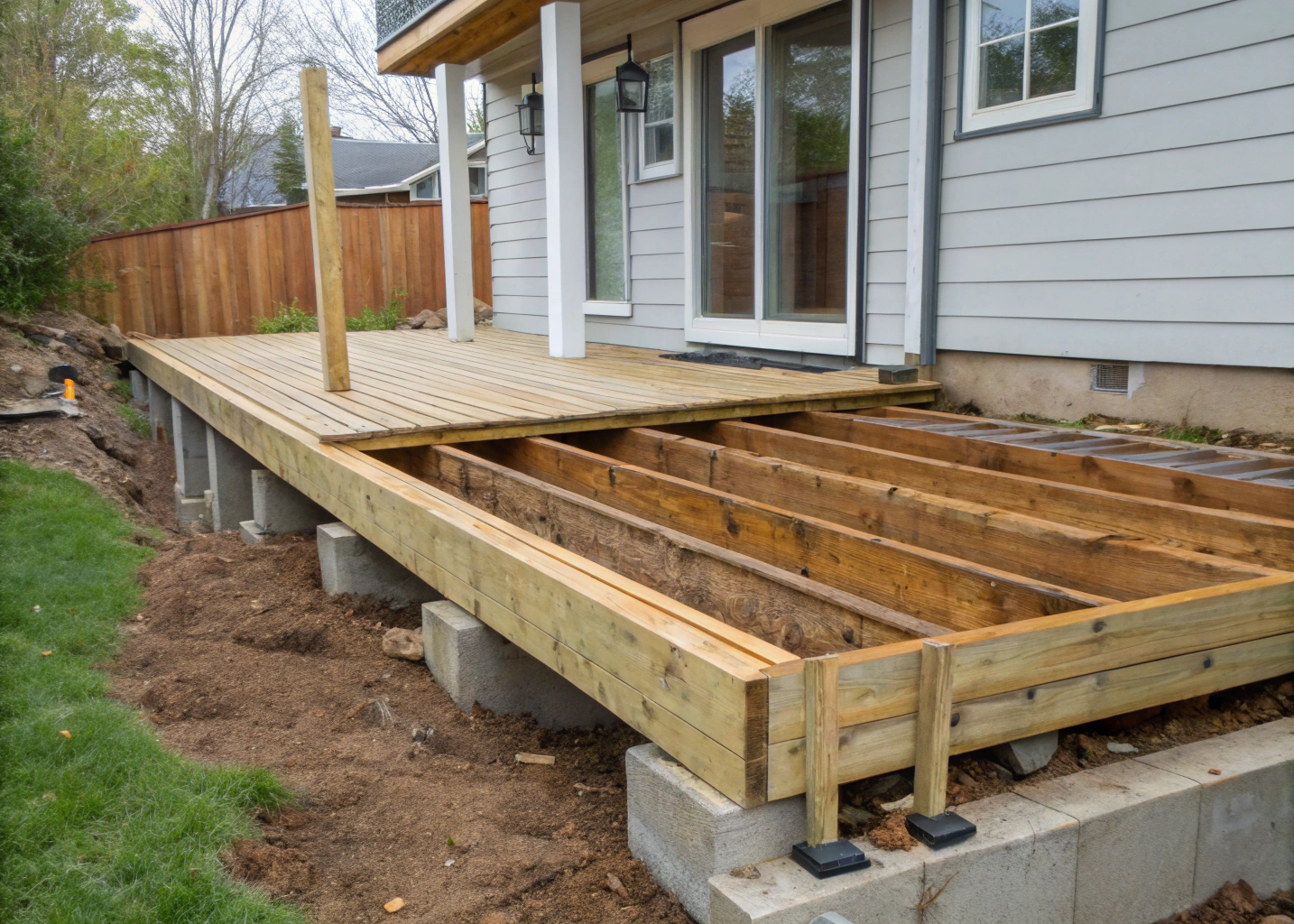
After removing your deck, we sort and dispose of the materials responsibly. Untreated hardwoods can often be recycled or repurposed, while older CCA-treated pine must be taken to licensed disposal facilities due to its hazardous treatment. We handle the correct disposal method for every type of timber.
We also manage the entire waste removal process, including skip bin hire and collection. The skip bin is delivered before demolition begins, loaded as the work progresses, and removed once the job is complete, leaving your site clean and ready for the next stage of your project.
Site Preparation After Deck Removal
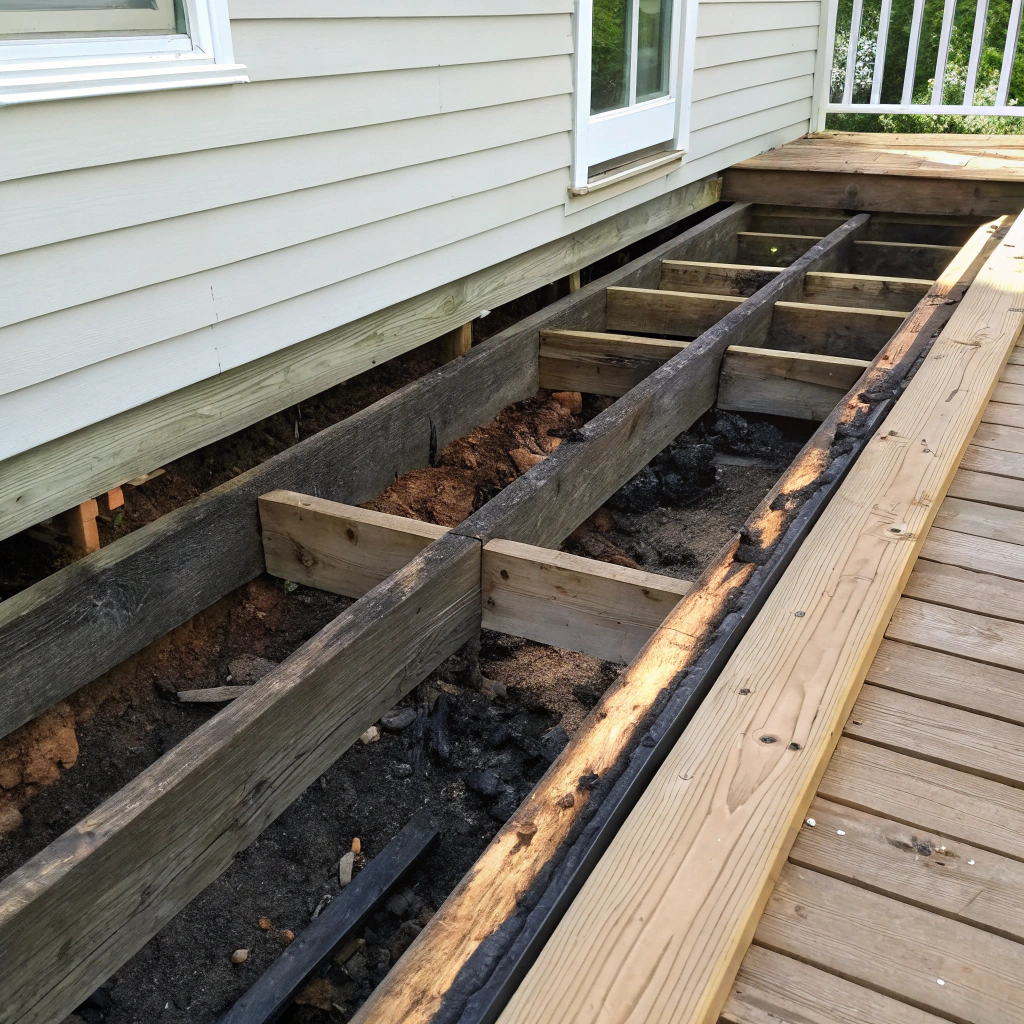
After your deck is removed, we prepare the site so it’s ready for the next phase of your project. Depending on your plans, existing concrete footings may be retained if they’re structurally sound and suitable for reuse, or removed completely if you’re installing a new deck, pool, patio, or landscaped area. We then backfill, compact, and level the ground to create a stable base that meets the requirements of the upcoming construction.
As part of the removal process, we also inspect the exposed site for hidden issues such as poor drainage, unstable soil, erosion, or tree root intrusion that may have been concealed beneath the old deck. Identifying these problems early allows them to be addressed before construction begins, helping to avoid costly delays and ensuring your new outdoor project is built on a safe, solid, and long-lasting foundation.


FAQ About Deck Demolition & Removal Newcastle
How long does a deck removal typically take in Newcastle?
Most residential deck removals in Newcastle take one to two days depending on the size of the structure and whether hazardous materials are involved. A standard single-level deck on a Fletcher or Wallsend property can usually be down and cleared within a day. Larger elevated decks in Merewether or Hamilton — particularly those with integrated pergolas or underdeck storage — generally run into a second day.
Do I need council approval to demolish my deck in Newcastle City Council?
For most standard residential decks, a complying development certificate covers demolition without a full DA process, but it depends on how the original structure was approved. If your deck was built under a development approval — which is common for elevated or larger structures in established Newcastle suburbs — council notification is required before work starts. We sort out what’s needed during the assessment phase so you’re not chasing paperwork on your own.
Will deck removal damage my lawn or garden?
Honestly, some ground disturbance is unavoidable — particularly around footing locations and access paths for equipment. Newcastle’s clay-heavy soils, especially in suburbs like Adamstown and Lambton, can get cut up during footing removal if the ground is wet. We work to minimise the footprint and agree on the site handover condition with you before we start, so expectations are clear on both sides.
Can you remove just part of a deck rather than the whole structure?
Yes, partial removals are something we do regularly — particularly where one section of a deck has deteriorated badly but the rest is still structurally sound. It’s worth having us assess the whole structure first though, because what looks like isolated rot at the boards often runs deeper into the frame underneath. A partial removal that leaves compromised framing in place just pushes the problem down the road.
What happens if asbestos is found during the removal?
Work stops at that point and a licensed asbestos assessor is brought in to confirm the material and scope the removal before anything else is touched. In older Newcastle homes — particularly those in Hamilton, Mayfield, and Broadmeadow built before 1990 — finding asbestos sheeting in deck skirting or soffit linings isn’t unusual, so it’s not something that catches us off guard. Once the licensed removalist has cleared the site, demolition continues and the project timeline is adjusted accordingly.
How do I know if my old deck is worth repairing or if removal is the better option?
The honest answer comes down to what’s happening in the subframe — the posts, bearers, and joists — not just the surface boards. Decking boards that are grey and cracking can be replaced cheaply, but if the structural timber underneath is soft, cracked, or showing active rot, you’re putting new boards on a failing frame and you’ll be back in the same position in a few years. I’ll give you a straight assessment on site so you can make the call with full information rather than guessing.
Ready to Get the Old Deck Out of the Way?
If you’ve got a deck that needs to come down — whether it’s safety-driven, part of a new build plan, or you’re clearing the yard for something new — get in touch for a free on-site assessment. We’ll walk the site with you, identify anything that needs addressing before work starts, give you a straight answer on process and timeline, and put together a quote that covers the full scope.
