
Timber Screening as an Outdoor Design Element — Not Just a Privacy Fix
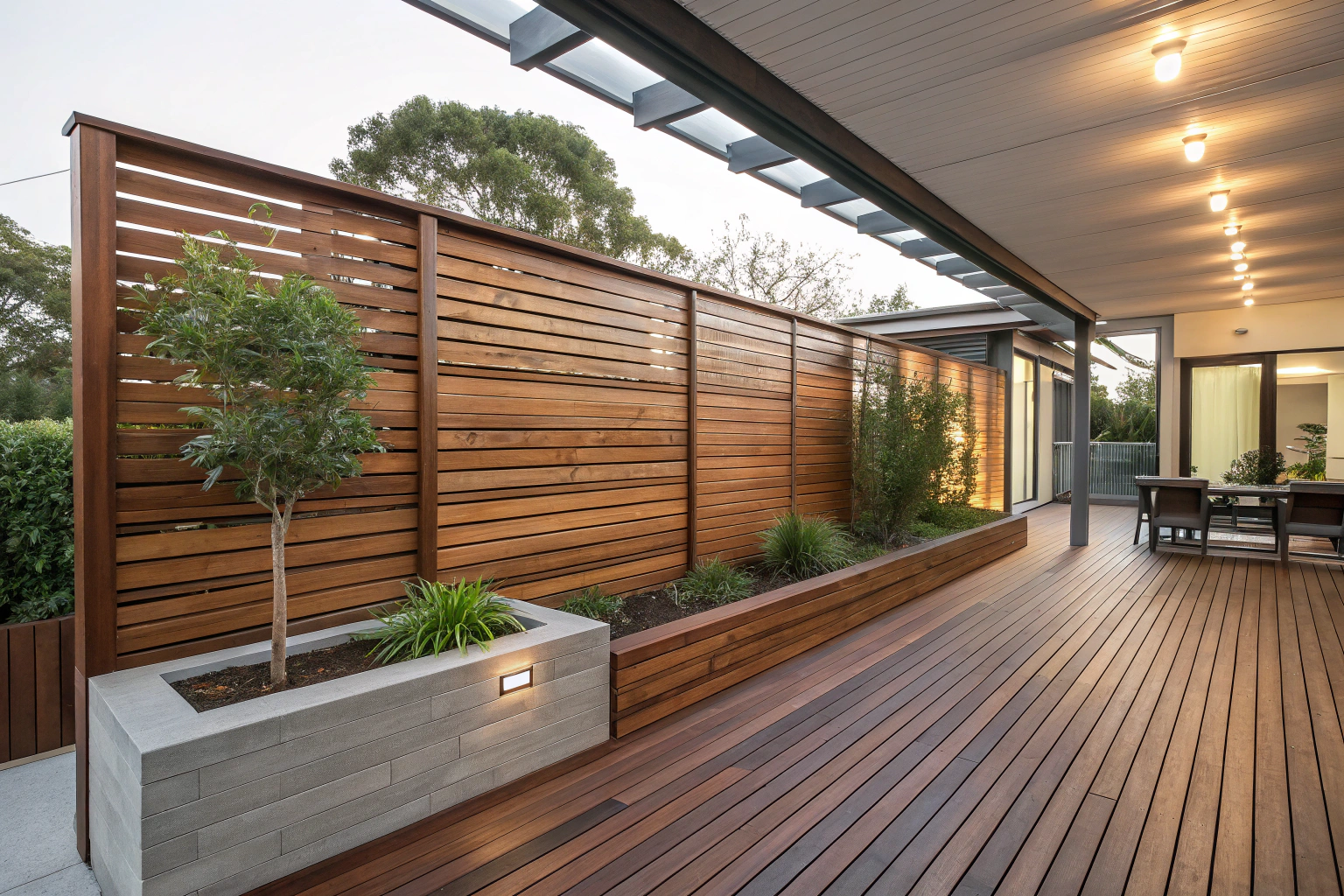
The most successful timber screening installations in Newcastle aren’t designed around privacy alone. They’re designed around the outdoor space as a whole — with the screen playing a deliberate role in how the area looks, feels, and functions beyond simply blocking a sightline.
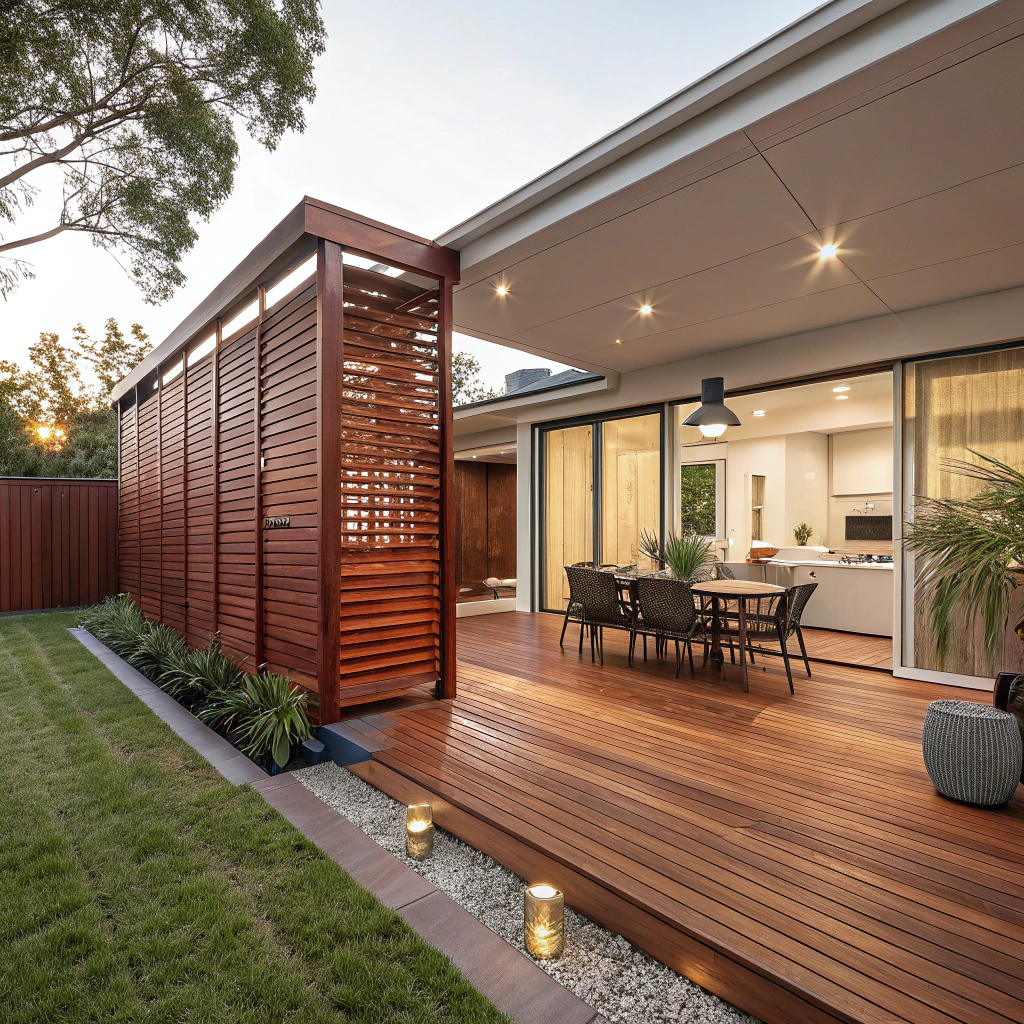
A timber privacy screen positioned along one edge of a deck does more than shield the space from neighbouring views. It defines the boundary of the outdoor room, creates a backdrop for outdoor furniture and planting, and introduces a vertical timber element that anchors the space visually. On a larger alfresco or entertaining area, screening panels can divide the space into distinct zones — a dining area separated from a lounge zone, or a pool surrounds area delineated from a lawn without a hard wall closing the space off entirely.
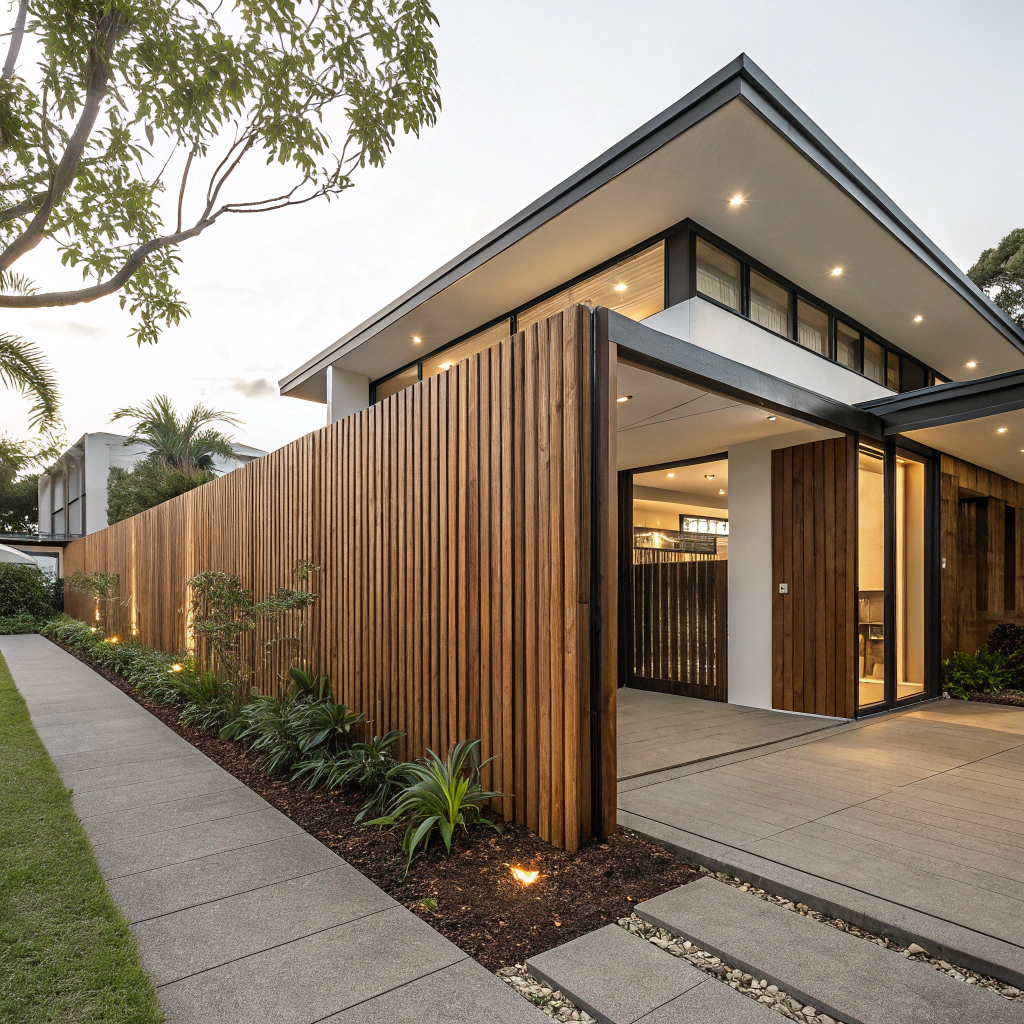
Batten orientation, species selection, and screen height all contribute to the design character of the finished outdoor environment. A horizontal hardwood batten screen in spotted gum reads very differently from a vertical treated pine screen in the same position — and working through those choices with a carpenter who understands both the structural and design implications produces a result that genuinely enhances the outdoor living area rather than simply solving a problem.

Choosing the Right Timber Species for Newcastle’s Coastal Conditions
Species selection is one of the most consequential decisions in any timber screening project — particularly across Newcastle’s coastal and near-coastal suburbs where salt air, humidity, and UV exposure place real demands on outdoor timber over time.
Merbau remains the most widely used species for outdoor privacy screens in the Newcastle region. Its natural oils provide inherent resistance to moisture and insect activity, it takes a quality finish, and its rich red-brown tone suits a wide range of outdoor aesthetics. Spotted gum and blackbutt are premium hardwood alternatives that offer comparable durability with a lighter, more varied grain character — well suited to contemporary screen designs where the timber’s natural appearance is a deliberate feature.
Treated pine provides a cost-effective base for painted or stained timber screen applications where a natural timber finish isn’t the priority. It performs reliably when properly finished and maintained. Composite screening boards are worth considering where ongoing maintenance is a genuine constraint — they resist moisture, hold colour without periodic oiling, and perform consistently in coastal exposure, though the aesthetic differs from solid hardwood battens and suits some design directions better than others.
How Batten Spacing Affects Privacy and Light Filtration
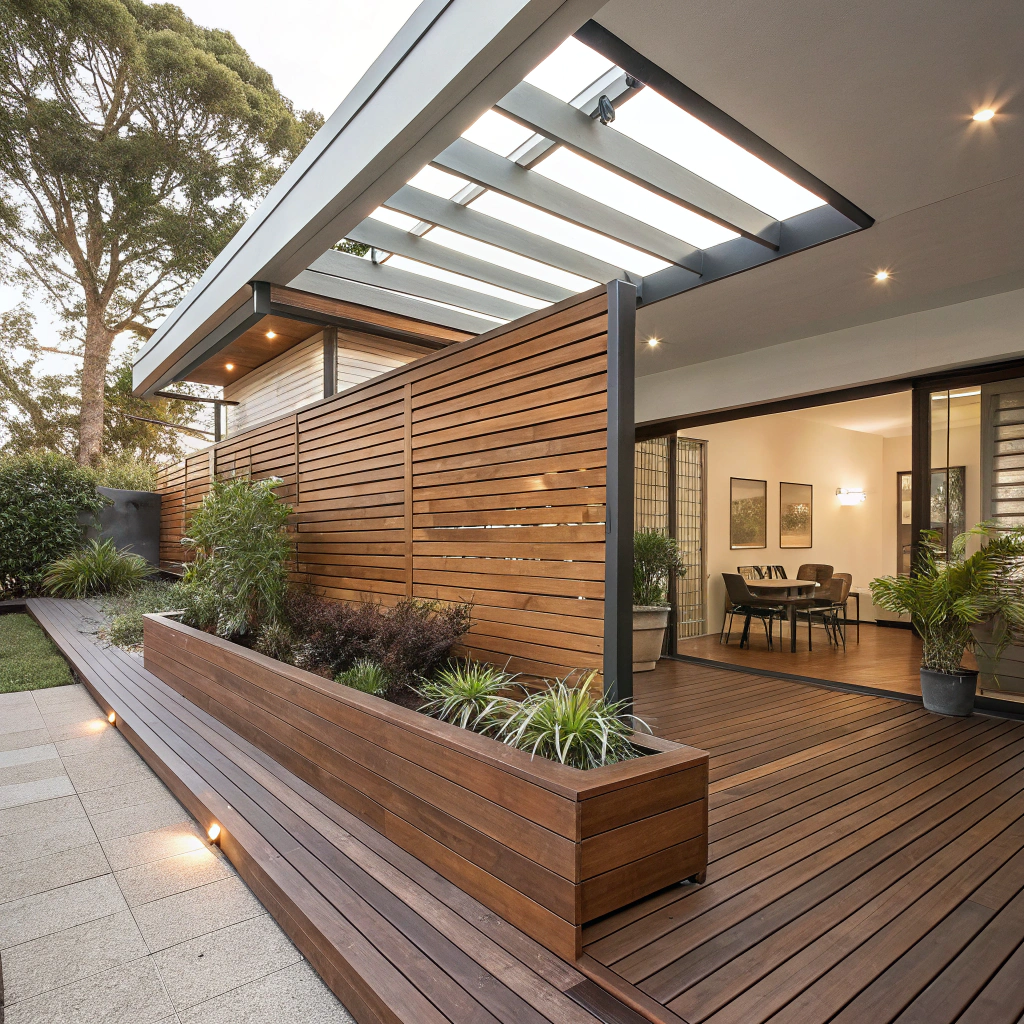
Batten spacing is the single variable that most directly determines how a timber privacy screen performs — governing the balance between sightline blockage, natural light filtration, and airflow through the screen face.
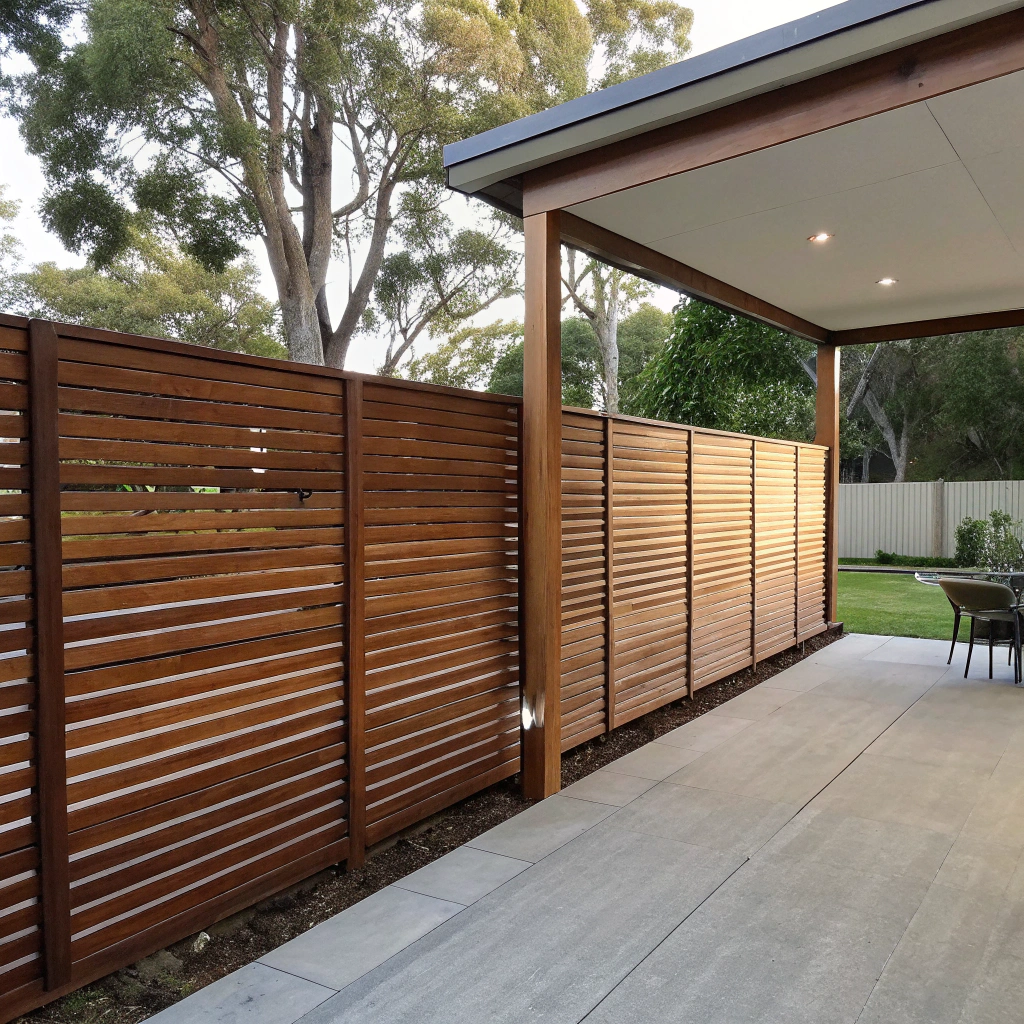
A tighter gap ratio — where the batten width significantly exceeds the gap between boards — delivers strong privacy but reduces light penetration and airflow. This configuration suits applications where the screen faces a neighbouring property at close range, or where an alfresco or deck space benefits from a more enclosed, sheltered character. The trade-off is a heavier visual weight on the screen face that can feel constraining in smaller outdoor areas.
Wider batten spacing preserves more of the open, airy quality of the outdoor space and maintains better cross-ventilation — relevant across Newcastle’s warmer months, where airflow through an alfresco or deck area contributes directly to comfort. Privacy performance at wider spacing depends heavily on viewing angles — a gap that provides adequate screening at ground level may perform differently when viewed from an elevated neighbouring window or balcony.
Working through the gap ratio relative to your specific sightline problem, site orientation, and design preferences is a core part of our timber screen design consultation process.
Framing and Post Systems for Timber Privacy Screens
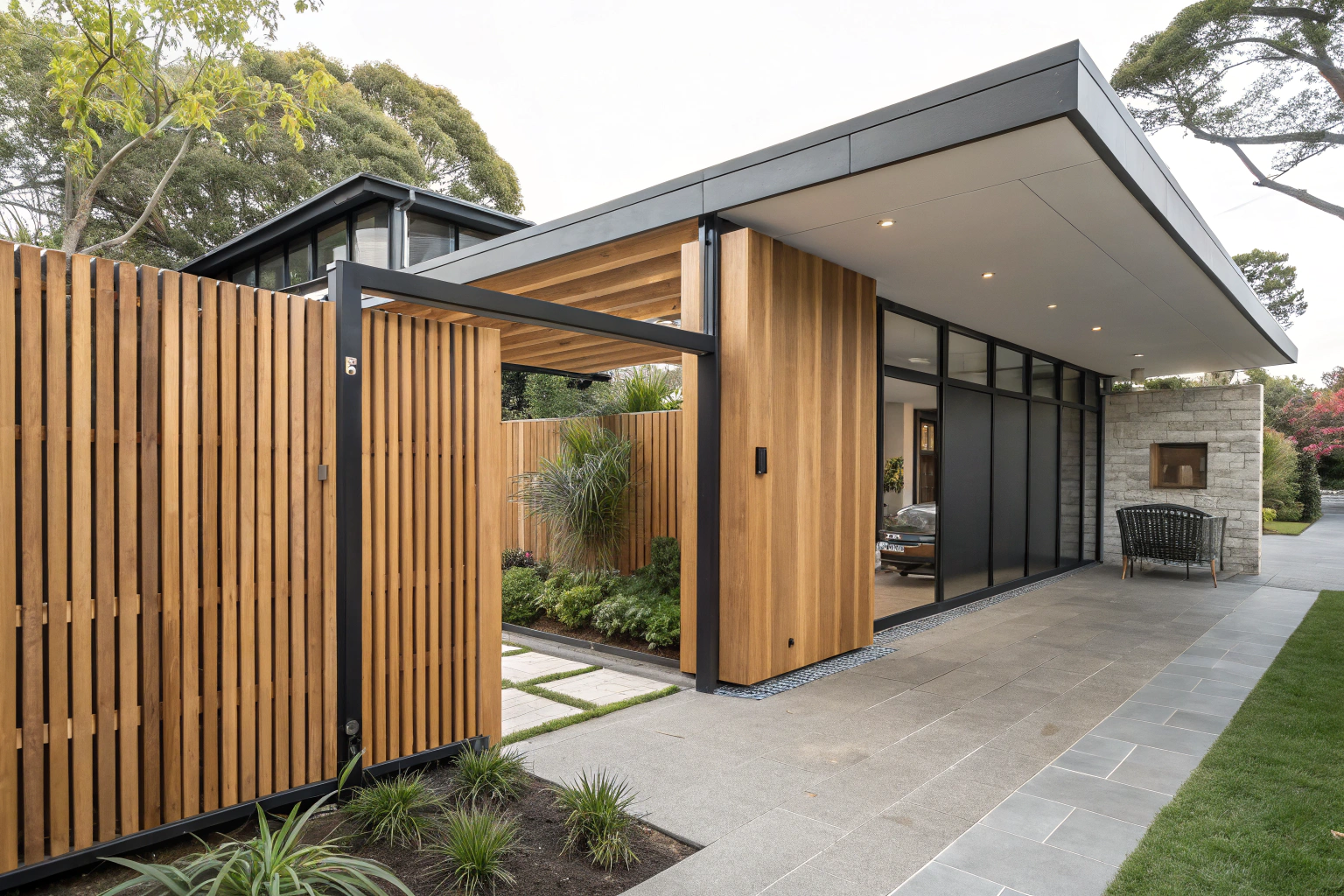
The framing and post system behind a timber privacy screen is as important as the batten face in front of it — determining structural performance, longevity, and the overall finish quality of the installation.
For structure-mounted screens fixed to an existing deck frame or building, connection detailing needs to be carefully considered. Fixings must transfer wind loads into the host structure without compromising decking boards, existing joists, or waterproofing membranes where they’re present. Stainless steel or hot-dipped galvanised hardware is standard across Newcastle’s coastal environment where standard steel fixings deteriorate rapidly.
Freestanding privacy walls require their own post and footing system independent of any existing structure. Post sizing, footing depth, and concrete specification are determined by screen height, batten spacing, and the wind exposure of the specific site — factors that carry real weight across Newcastle’s coastal and elevated suburban locations. Concealed steel post systems sleeved within or behind the timber batten frame deliver the cleanest contemporary finish, eliminating visible structural elements from the screen face entirely.
What Makes a Quality Timber Privacy Screen
A timber privacy screen is a structural installation exposed to the full range of Newcastle’s outdoor conditions — and the difference between a quality build and a poor one becomes apparent within the first few seasons. Quality starts with species and material selection appropriate to the exposure level of the site. Hardwood species including Merbau, spotted gum, and blackbutt, or properly treated and finished pine, provide the durability base that an outdoor timber screen needs to perform over time without premature greying, cracking, or movement.
Beyond material selection, the key indicators of a quality timber screening installation include:
- Correctly sized framing and post systems engineered for the screen height and wind exposure of the specific site
- Stainless steel or hot-dipped galvanised fixings throughout — standard in Newcastle’s coastal conditions where inferior hardware corrodes rapidly
- Consistent batten spacing held precisely across the full screen run without variation or drift
- Clean connection detailing at posts, frames, and any junction with an existing deck or building structure
- Appropriate timber finishing applied before installation where species and design require it
A quality installation also reflects the carpenter’s understanding of how the screen interacts with the broader outdoor structure it sits within — whether that’s a deck, pergola, alfresco, or freestanding setting. Getting those details right from the outset is what separates a timber privacy screen that performs and looks the part for many years from one that requires remedial attention well before its time.
Structure-Mounted vs Freestanding Timber Privacy Screens
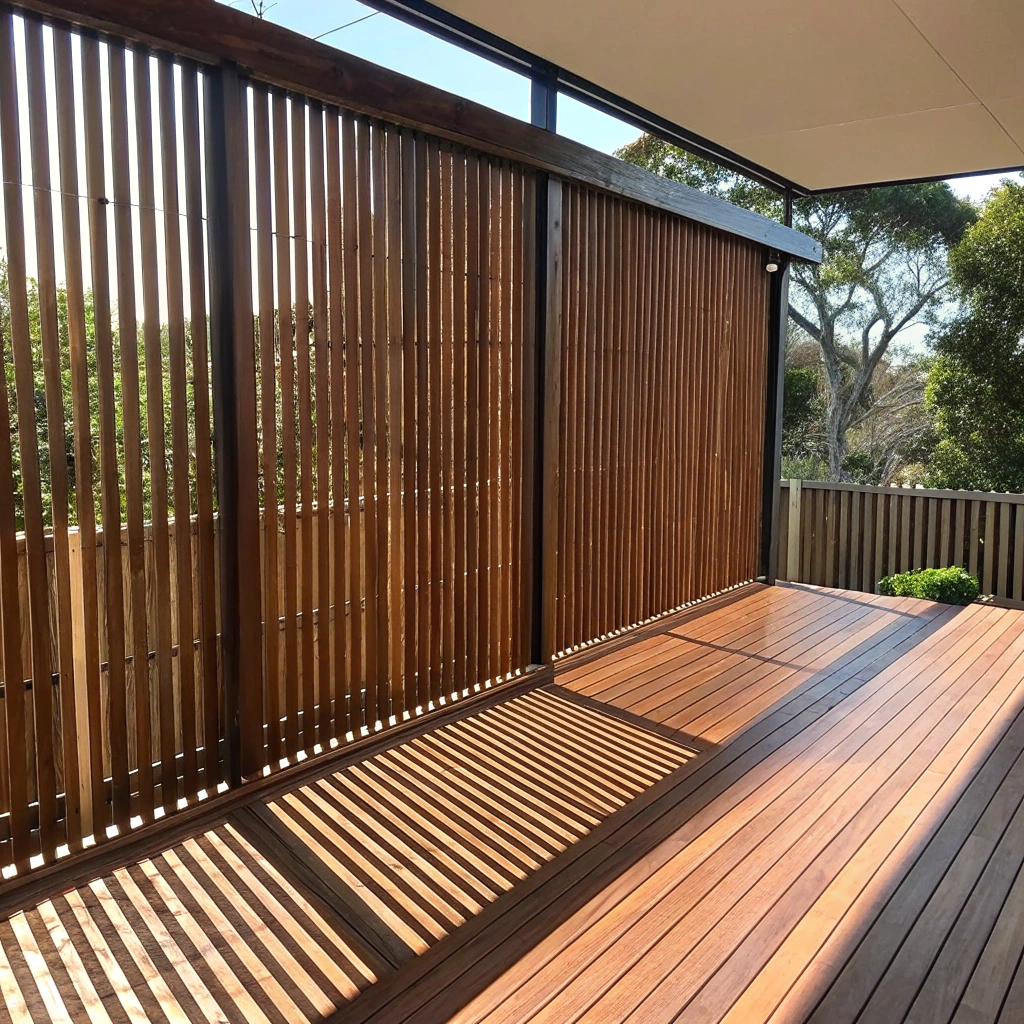
The structural approach behind a timber privacy screen installation is determined primarily by whether the screen can be fixed to an existing structure or needs to stand independently — and getting that distinction right affects everything from footing requirements through to long-term performance.
Structure-mounted screens fix directly to an existing deck frame, pergola post, or building wall. This approach is generally more straightforward where a suitable host structure exists and the connection points are sound. The critical consideration is that fixings and connection hardware must transfer wind loads into the host structure without compromising existing framing members, decking boards, or any waterproofing present at the connection points. Stainless steel or hot-dipped galvanised hardware is non-negotiable in Newcastle’s coastal conditions.
Freestanding privacy walls operate as independent structures with their own post and footing system. Footing depth and concrete specification are determined by screen height, batten spacing, and the wind exposure classification of the site — a factor that carries particular weight across Newcastle’s coastal suburbs and elevated residential areas where screens face genuine wind load demands. Taller freestanding screens in exposed locations require engineering input to confirm the footing and post design is adequate for the conditions.
Frequently Asked Questions — Timber Screening & Privacy Walls Newcastle
Most timber privacy screens fall within complying development provisions if they meet height and setback thresholds. Freestanding privacy walls may have different requirements. We assess approval implications during your free design consultation.
Merbau and hardwood species, including spotted gum and blackbutt, perform well in Newcastle’s coastal conditions. Both offer natural durability and hold a quality finish with appropriate maintenance applied periodically.
A structure-mounted screen fixes directly to an existing deck or building. A freestanding privacy wall requires its own post and footing system, with wind load and soil conditions factored into the structural design.
It depends on your budget and how much maintenance you want to do. Merbau and spotted gum are our go-to hardwoods for durability and appearance. If you want something low maintenance, composite screening boards are a solid option. Treated pine works well for painted applications where budget is tight.
Yes. Pool surround screening is one of the most common applications we handle — managing privacy, wind exposure, and sightlines simultaneously while complementing the pool and outdoor entertaining environment.
Yes. Pergola and carport infill screening is a straightforward application where battens are fixed between existing structural members, adding privacy and wind management without altering the primary structure significantly.
Getting a Free Timber Screen Design Consultation in Newcastle
Timber screening and privacy walls Newcastle properties require are rarely a one-size-fits-all solution — batten species, spacing, orientation, height, framing system, and structural approach all vary depending on your specific site and what you want the screen to achieve. Our free design consultation allows you to work through those variables with an experienced carpenter before committing to anything.
We assess the site, identify the sightlines you want to address, and present design options that suit both the function and the aesthetic of your outdoor space. Whether you’re working with an existing deck structure or need a freestanding privacy wall with its own footing system, we provide clear recommendations and a detailed quote. Contact our Newcastle team today to book your free consultation.
