
How do I know if my deck needs repair or replacement?
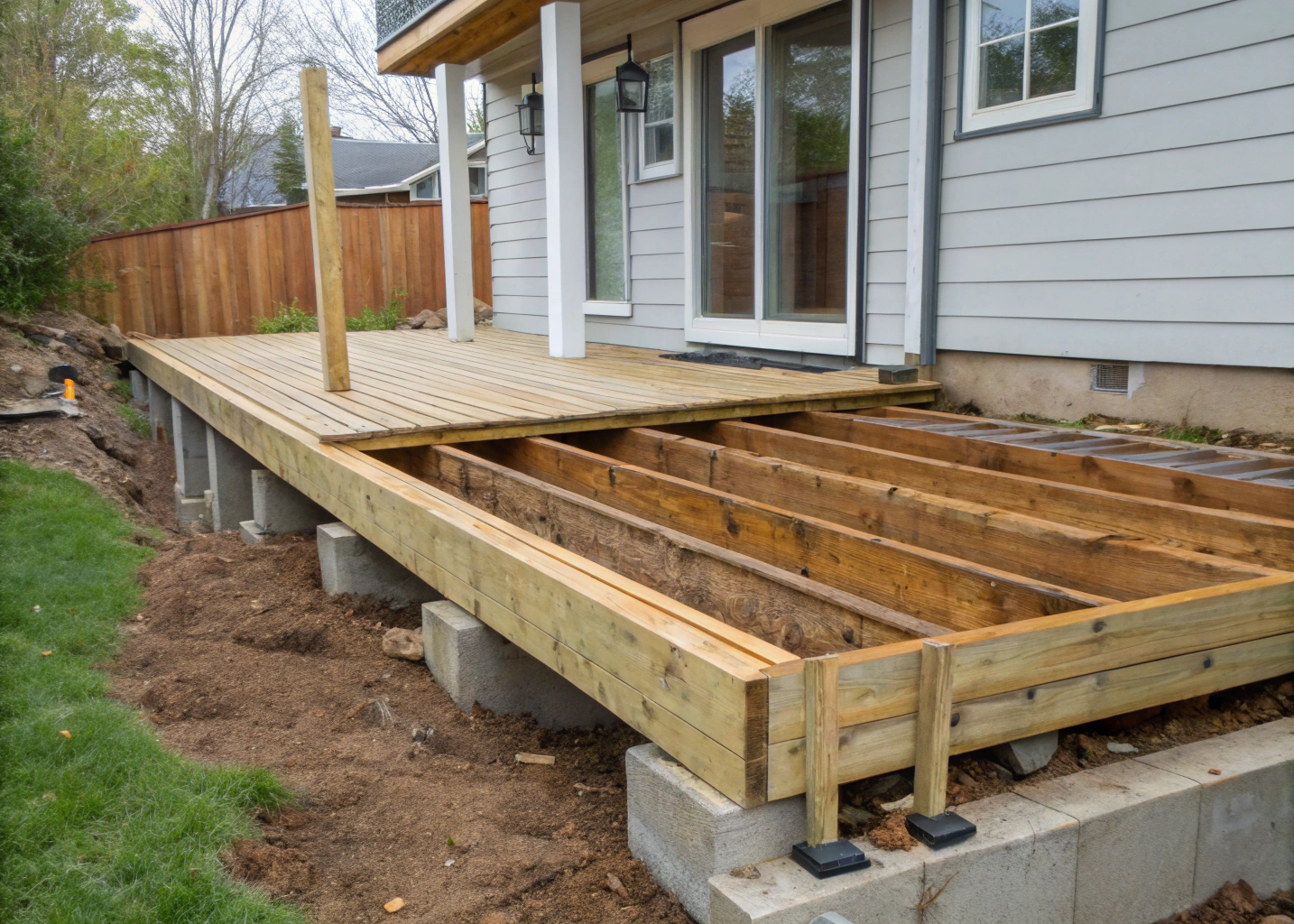
The decision comes down to subframe condition, not surface appearance.
Repair and restore when:
- Surface boards are weathered, greying, cupping, or splintering but the subframe is still structurally sound
- Fixings are corroding but bearers and joists check out on inspection
- Balustrade connections are loose but posts and footings are solid
- Mould, staining, or surface greying is cosmetic rather than a sign of decay
Replace when:
- Bearers, joists, or posts show active rot or termite damage
- Footings have shifted or are no longer level
- Sistering so many members would cost more than starting fresh
- The deck is a safety risk that partial repairs can’t resolve
An honest on-site assessment is the only reliable way to make that call — and that’s exactly what we offer.

What Newcastle's Coastal Climate Does to Outdoor Timber
Salt air gets into fixings fast — faster than most people expect.
UV breaks down timber fibres on the surface, causing checking and greying within a season or two. Coastal humidity keeps moisture cycling in and out of boards and subframe members through every wet-dry period, which is what drives cupping, swelling, and eventual decay at the joints.
Inland NSW decks age differently. Here in Newcastle, all three factors work on your deck at the same time — and a deck that hasn’t been maintained properly can deteriorate noticeably within just a few years.
That’s not a reason to panic. It’s a reason to act early when something doesn’t look right.
Common Deck Problems We Repair and Restore
Rotted or Decayed Boards and Subframe Members
Rot usually starts where moisture sits longest — at fixing points, butt joints, and anywhere debris collects. Surface boards are often the first to show it, but decay in bearers and joists is the bigger concern. We identify exactly where the rot starts and stops before any work begins.
Loose, Missing, or Corroded Fixings
Corroded screws and nails are one of the most common problems we see on Newcastle decks. Salt air gets into exposed fixings quickly, especially on older builds. Loose or missing fixings create movement in boards, which accelerates wear and can become a safety issue over time.
Warped, Cupped, or Splintering Boards
Boards that have cupped, warped, or started splintering are uncomfortable underfoot and can be a hazard — especially for kids and bare feet. In most cases this is a surface issue, and targeted board replacement or restoration gets the deck back to a safe, even finish.
Unstable Posts, Footings, and Structural Movement
A deck that moves underfoot or leans visibly has a structural problem, not just a surface one. We check posts, footings, and connections as part of every assessment to confirm whether movement is cosmetic settling or something that needs remediation before it gets worse.
Mould, Mildew, and Surface Greying
Mould and mildew thrive in Newcastle’s humidity, and greying from UV exposure is almost universal on untreated timber. Neither is a sign that the deck is failing — both respond well to proper cleaning, brightening, and a fresh coat of penetrating oil.
Failed or Loose Balustrade Connections
Balustrade posts that rock or rails that flex are a safety issue, full stop. Connections loosen over time as timber moves seasonally. In most cases the fix is straightforward — rectifying the connection point without needing to replace the whole balustrade.
Our Deck Assessment Process
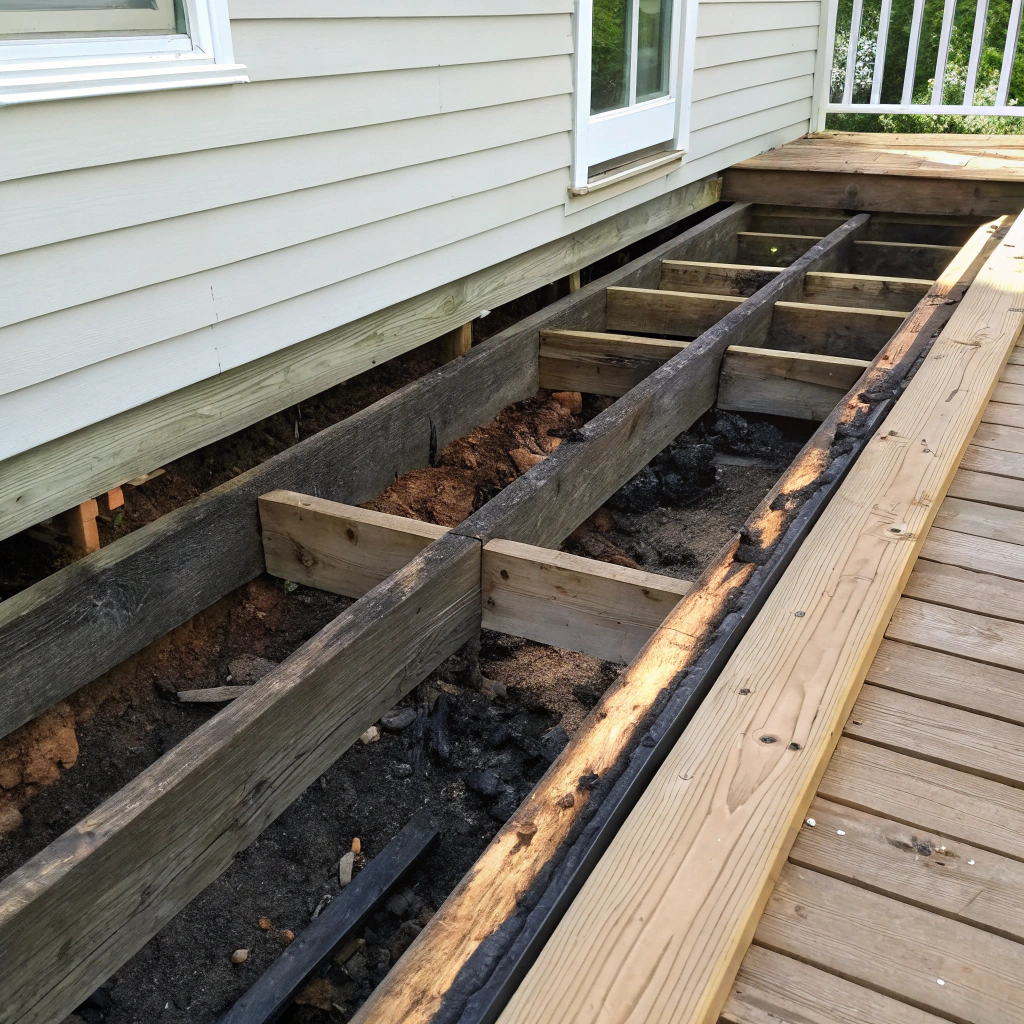
We don’t quote off photos or give ballpark figures over the phone. Every job starts with a proper on-site assessment before we recommend anything.
1. Board condition and timber species: We check every board for decay, cupping, splintering, and surface deterioration. Timber species also affects restoration products and board matching.
2. Subframe — bearers, joists, and posts: We check every accessible subframe member for rot, moisture damage, and structural integrity. This is what determines whether repair is viable.
3. Footing condition and level: We check footings for movement, cracking, and whether the deck is still sitting level.
4. Fixing integrity and hardware: We inspect every fixing point for corrosion, looseness, and coastal-appropriate hardware spec.
5. Balustrade and drainage: We check balustrade connections, post bases, and how water drains away from the deck surface and subframe.
The assessment separates cosmetic deterioration from structural failure.
Deck Repair Services
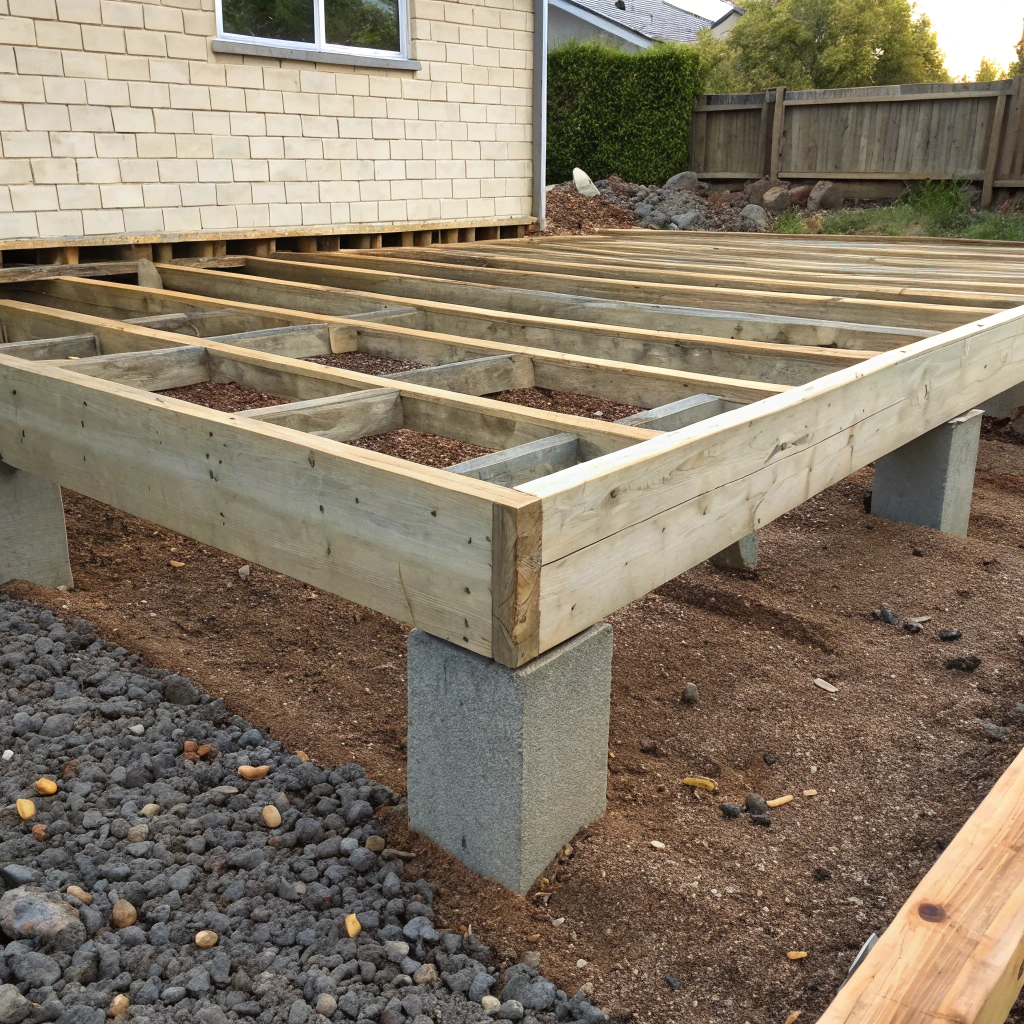
We match the work to what the deck actually needs — nothing more, nothing less.
Deck Board Replacement and Timber Matching: We remove damaged boards and replace them with timber that matches the existing deck — same species, same profile, same fixing method.
Subframe Sistering and Member Replacement: Where individual bearers or joists are damaged but the surrounding structure is sound, we sister or replace those members without pulling the whole deck apart.
Post and Footing Remediation: Leaning posts and compromised footings get addressed at the source before any surface work is done.
Fixing Replacement and Hardware Upgrades: We replace corroded fixings with hardware rated for coastal conditions. On older decks this alone makes a noticeable difference to board stability.
Balustrade Repair and Connection Rectification: Loose posts, flexing rails, and failed connections get properly rectified to meet current safety requirements.
Fascia and Trim Replacement: We replace deteriorated fascia and trim and match the finish to the rest of the deck.


Deck Repair vs. Full Deck Replacement
The right choice depends on what we find in the subframe — here’s how the two options generally compare.
| Deck Repair | Full Replacement | |
|---|---|---|
| Typical cost range | $3,000–$15,000 | $15,000–$45,000+ |
| Project timeframe | 1–5 days | 1–3 weeks |
| Subframe condition required | Structurally sound | Not applicable |
| Surface outcome | Restored, near-original finish | Brand new finish |
| Expected service life | 8–15 years with maintenance | 20–25 years with maintenance |
| Best suited to | Sound subframe, surface deterioration | Failed subframe, widespread rot or safety risk |
Timber Deck Restoration — From Surface Prep to Final Finish
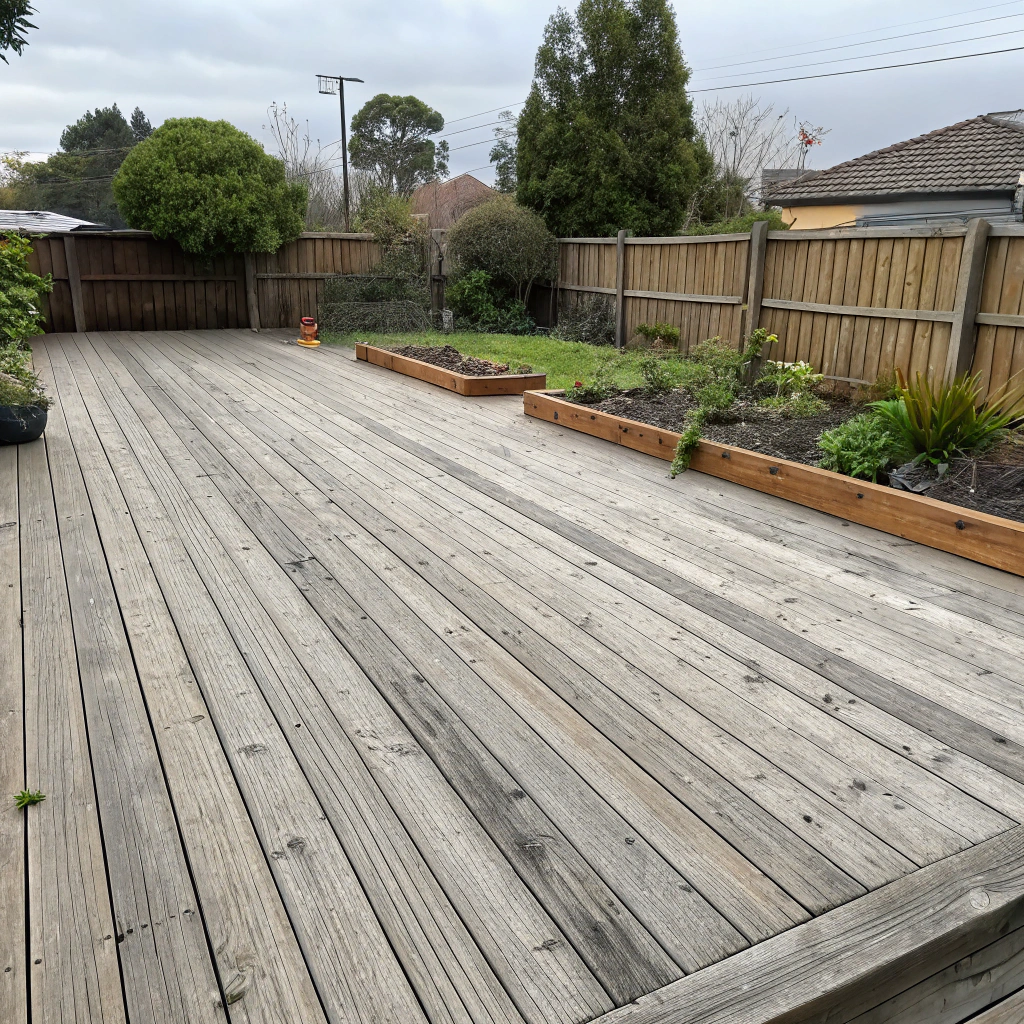
Restoration is the surface treatment process — separate from structural repair. It’s what brings a tired, greyed-out deck back to life once the structure is confirmed as sound.
Sanding and Surface Preparation: We sand the entire deck surface to remove weathered fibres, surface checking, and any peeling coating. Proper preparation determines how well the final finish holds.
Timber Brightening and Grey Reversal: We apply a timber brightener to lift the grey out of weathered boards and open the grain back up. Most people skip this step — it makes the biggest difference to the result.
Penetrating Oil and Sealant Application: We apply a penetrating oil suited to the timber species and Newcastle’s coastal conditions — feeding the timber and protecting against moisture and UV.
Realistic Outcomes — What Restoration Can and Cannot Achieve: Restoration brings timber back a long way but won’t make an old deck look brand new. What you get is a clean, protected, significantly improved surface.
Composite Deck Restoration
Composite decking doesn’t get sanded or oiled — the restoration process is different from timber and the products used are completely different too.
We start with a thorough clean using composite-approved solutions to remove mould, mildew, tannin staining, and surface build-up. Where fixings have corroded or worked loose, we replace them with hardware suited to the board profile and coastal environment. Scratches and scuffs can be improved but not fully removed — composite boards don’t respond to sanding the way timber does.
The realistic outcome is a deck that’s clean, stable, and presentable — with fixing issues resolved and surface contamination cleared. If boards have faded significantly or been physically damaged beyond cleaning, board-for-board replacement is the more practical path.
Frequently Asked Questions
It comes down to the subframe. If the bearers, joists, and posts are structurally sound, repair and restoration is almost always the better option. If there’s active rot, termite damage, or significant footing movement, replacement makes more sense. We assess both during every on-site inspection.
It depends on what needs doing. Minor fixing replacement and a full restoration finish can sit in the $3,000–$6,000 range. More involved subframe work and board replacement can run $8,000–$15,000. We give you a clear, itemised quote after the on-site assessment — no guesswork.
Most repair jobs take between one and five days depending on the scope of work. We’ll give you a realistic timeframe before we start.
Yes, in most cases. Timber brightening followed by sanding and a penetrating oil application brings greyed timber back significantly. It won’t look brand new, but the difference is substantial.
We do our best to match species, profile, and fixing method. Some colour variation between new and old boards is normal and settles over time as the new timber weathers in.
Composite decking can be cleaned, have fixings replaced, and have surface contamination removed — but it can’t be sanded or oiled like timber. If boards have faded heavily or are physically damaged, replacement is the more practical option.
Get Your Free Deck Assessment
If your deck needs attention, the sooner you get eyes on it the better — small problems caught early are almost always cheaper to fix than the same problems left another season.
We offer a free on-site deck assessment across Newcastle, Lake Macquarie, Maitland, and the Hunter region. We come out, look at everything properly, and give you a straight answer on what the deck actually needs — repair, restore, or replace.
No commitment required. No default push toward the more expensive option. Just an honest assessment based on what we find.
Book your free on-site assessment today or call us directly for a chat about your deck.
